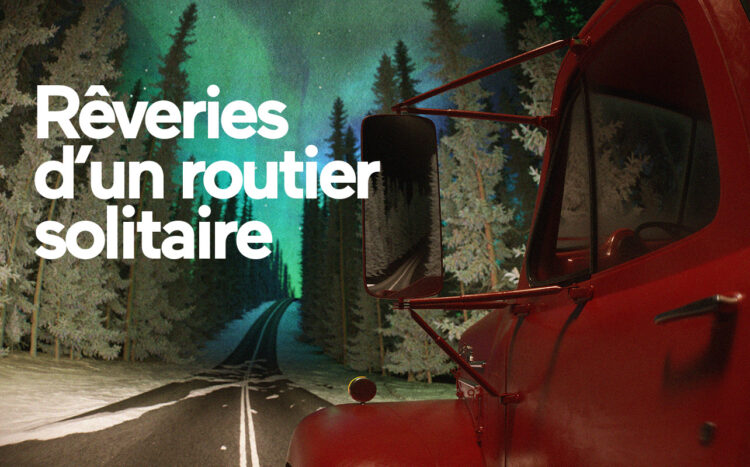
- Reveries of a Solitary Trucker : Serge BouchardSatosphere> Multiples dates from April 21 to August 20
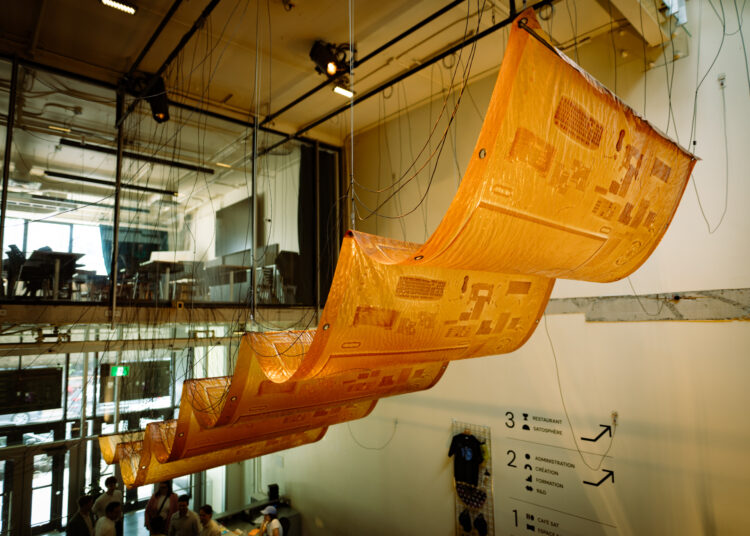
Duration : 43 minutes - FossilationSAT LobbyDuring our opening hours - From Monday to Saturday : 10AM to 10 PM
- In the end, it's all the same thingSatosphere> Performance: July 28 - August 1 at 6:00PM
> Film: August 4-5-6-12-13-15-18-20 at 7:30PM
September 8-9-10-11-12-18-19 at 7PM
Duration : 40 minutes
*Warning: Some viewers may experience dizziness during the first few minutes.
A Guy Called Gerald, gyrofield, Honeydrip, Mia Koden, Florence-Delphine Roux, and more | Nocturne 3 - MUTEK
Tickets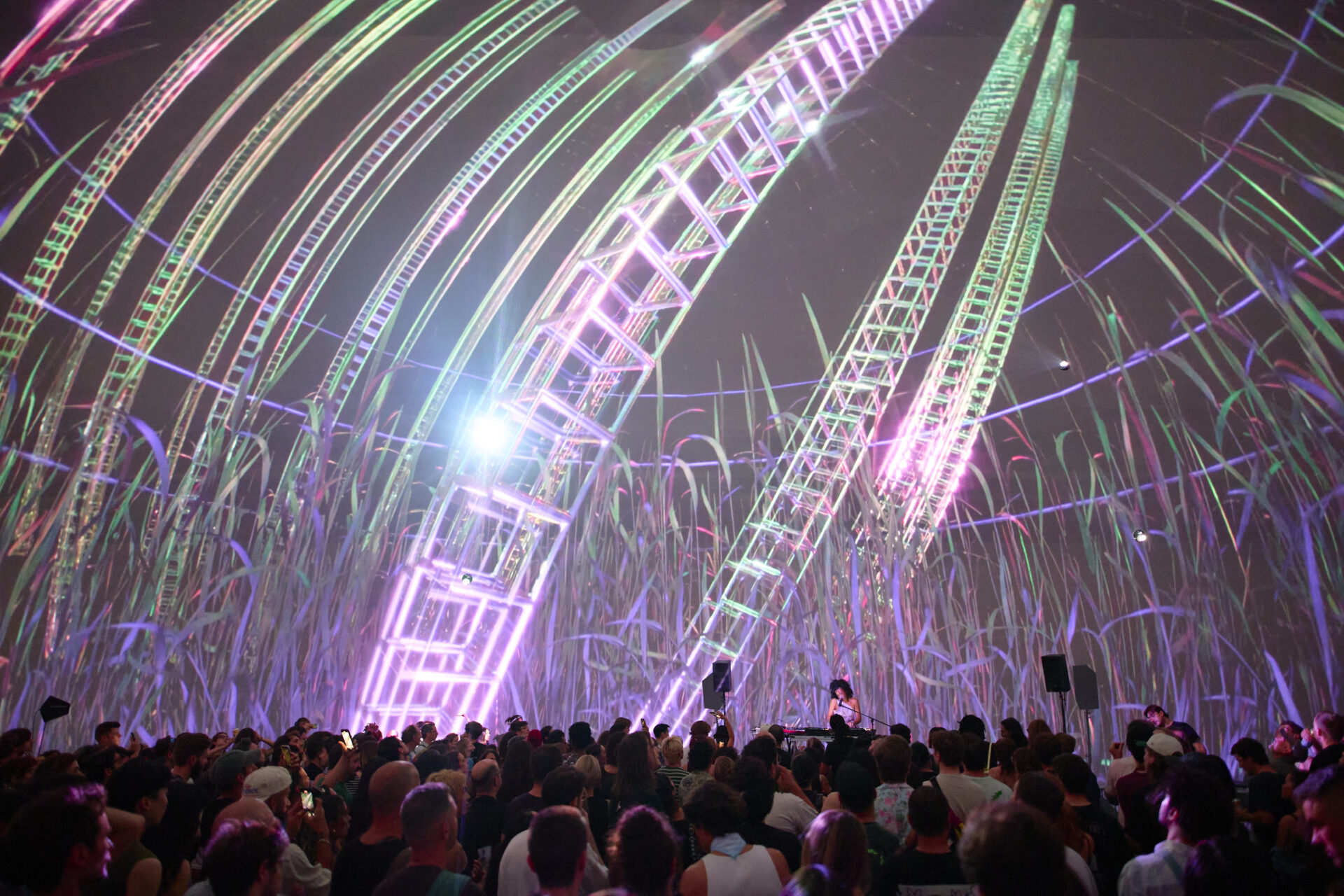
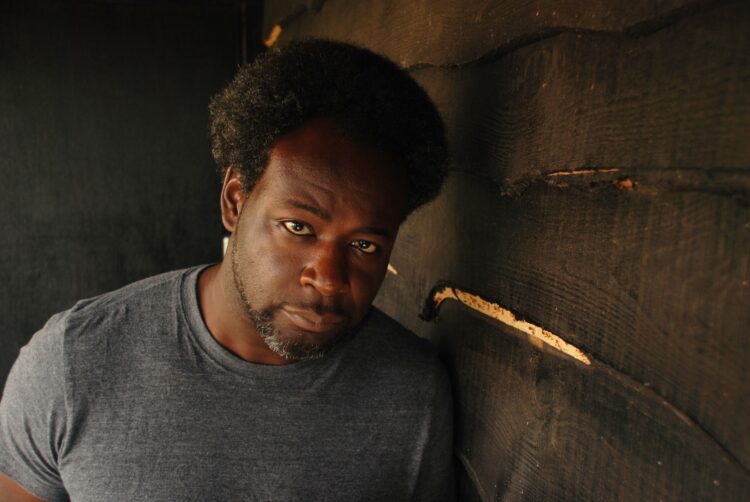
A Guy Called Gerald
A Guy Called Gerald presents a new telling of his 1995 album Black Secret Technology, a landmark record whose avant-garde sound helped shape the foundations of jungle music. Through his improvisational “Live in Session” approach, he reconfigures its sci-fi clangs, punchy breakbeat samples, and haunting vocalisations in real time, conjuring a new futuristic vision.
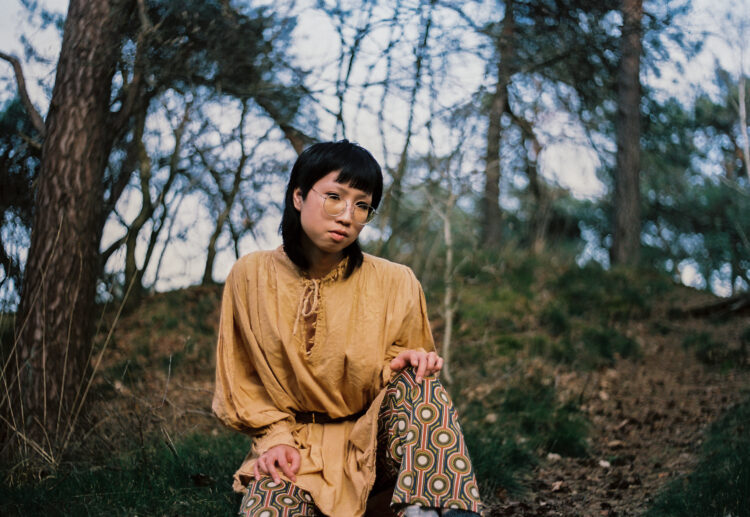
gyrofield
For their MUTEK live debut, gyrofield channels drum and bass into something fluid, intricate and emotionally charged. Fast-moving breaks, fractured IDM textures and ambient tension collide in a performance shaped by sharp melodic instincts, pulling the crowd through shifting states of pressure, release and deep physical momentum.
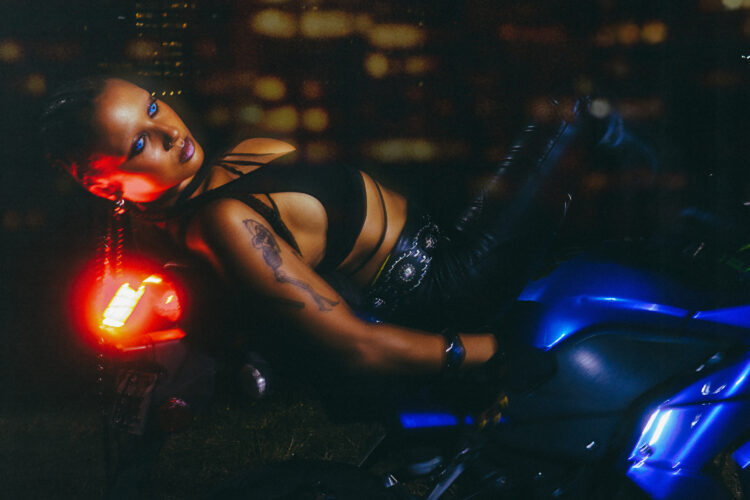
Honeydrip
Honeydrip returns to MUTEK Festival for the world premiere of v i b r a t i o n, an audio-visual work that transforms her body into a living sound installation. Exploring a dense, ever-shifting sonic landscape inspired by dub, jungle, bass, and beyond, the Montréal mainstay sculpts internal resonance and external vibration in real time through physical movement.

Mia Koden
Mia Koden presents her first live performance, shifting her bass-driven, groove-conscious sound into a real-time format. Honouring sound system culture is the beating heart of it all, as she balances weight and space, combining low-end and rhythmic pressure with more atmospheric passages. Expect a deep but driving journey across dub, dubstep, broken beat, steppas, 2-step and beyond.
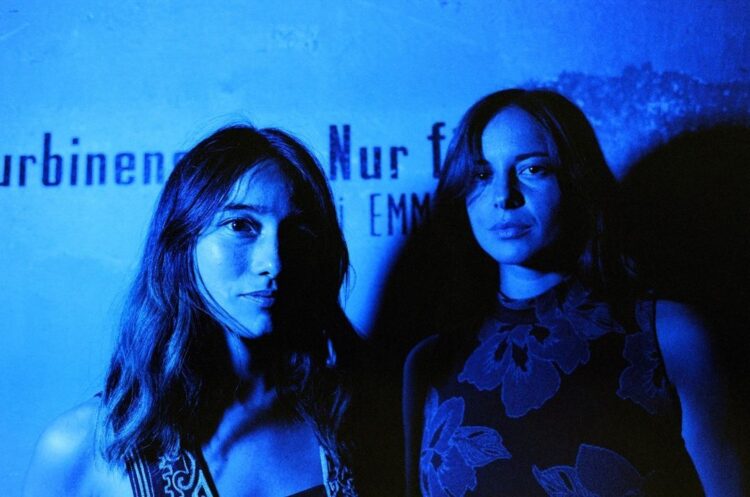
Sara Persico & Mika Oki
In the audio-visual interpretation of Sphaîra, Sara Persico and Mika Oki invite audiences into an ambient universe where the boundaries between external stimuli and internal perception blur. Inspired by the vaporous acoustic qualities of the Experimental Theatre dome in Tripoli, the performance folds fractal imagery, breathy drones, and abstract stroboscopic effects into a hazy, mesmerizing, and profoundly introspective dance.
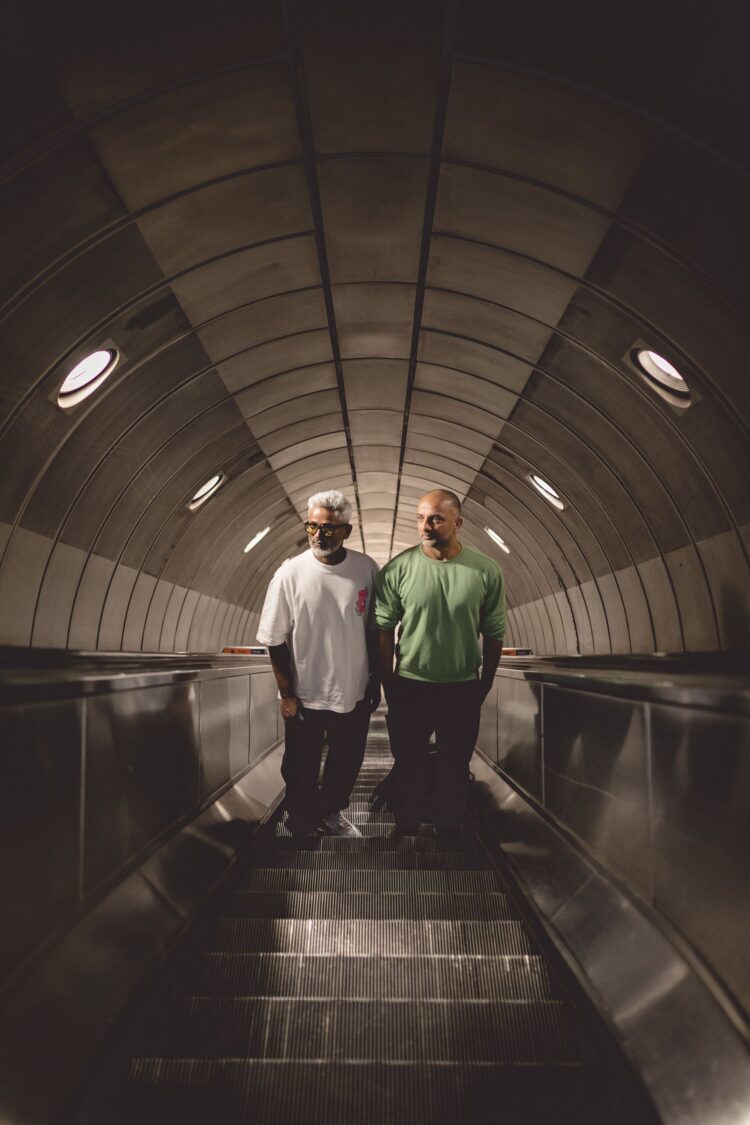
Elsewhere in India ft. Murthovic & Thiruda
Set 150 years after India’s independence, A Passage to India (2097) transforms the dome into a vibrant Indofuturist cosmos. Murthovic’s electro-classical score blends modular synthesis with South Asian folk sound, while Thiruda’s visuals fuse archival footage, game-engine cinematics, and generative art, rewriting imperial memory and pulling audiences through fractured time into the imagined ruins and renewals of 2097.
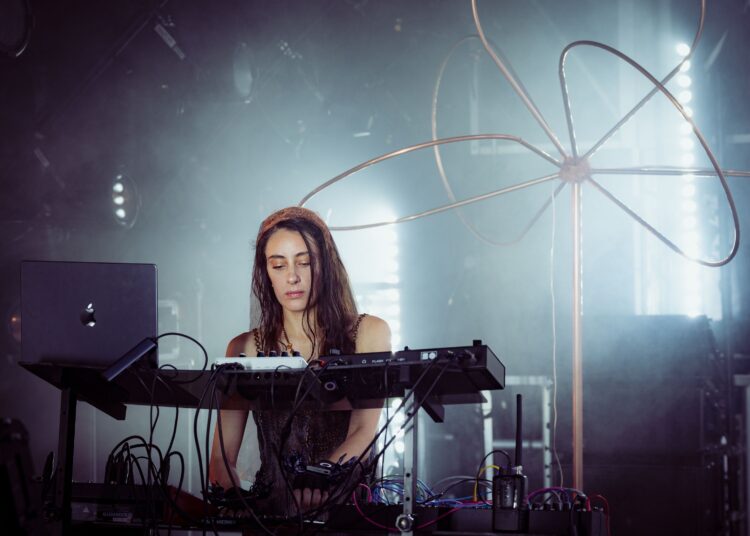
Florence-Delphine Roux
Florence-Delphine Roux opens a new chapter with Tumulte de Kessler. Through sculptural radio antennas pointed toward Earth’s orbit, she composes with satellite signals, parasitic frequencies, and fragments of transmissions, revealing the sonic portrait of a sky in transformation, where natural constellations and orbital infrastructures blur and overlap.
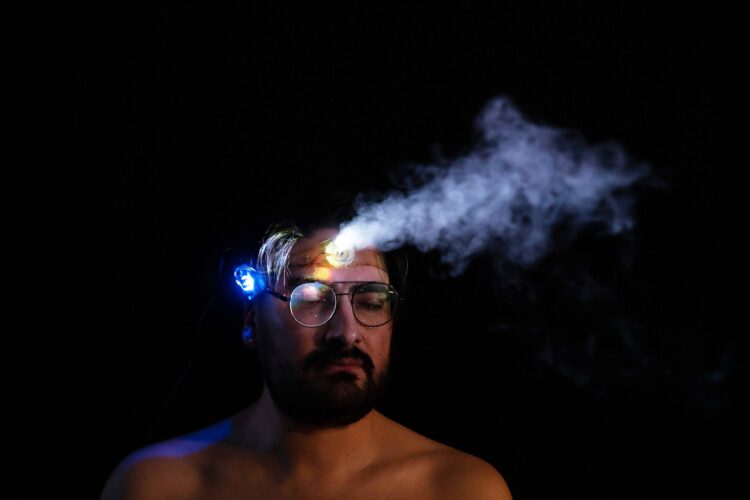
Hermanos Riffo Gómez
In In the End, It’s All the Same Thing, Hermanos Riffo Gómez journey into deep time through the twisted roots of genetic ancestry, ancient microorganisms, and lifecycles. Hacked and modified 3D microscopy, long-duration time-lapse footage, and live samples manipulated in real time navigate branches of trees, empty houses, interior rooms, and the site where intimate personal recollection intertwines with nature and cosmic space.